When you open your wardrobe at the start of the school year, the observation is often the same: pieces bought two seasons ago that no longer match anything, and a desire to refresh without buying everything anew. Current fashion trends push in this direction, driven by European regulations and trends that favor the longevity of clothing.
Understanding what is happening behind the scenes helps make more solid clothing choices, regardless of the season.
Textile digital passport: what the QR code on your clothes will change
Since the entry into force of the European regulation ESPR (EU 2024/1781) in July 2024, eco-design of clothing and shoes is no longer a marketing argument. It is a legal obligation. Among the concrete measures, the digital product passport (DPP) will gradually accompany each garment sold in Europe.
In practice, you scan a QR code or a chip embedded in the label, and you access a complete sheet: origin of materials, exact composition, potential presence of concerning substances, care instructions, repair and recycling possibilities. For consumers, it is a comparison tool that did not exist before.
You can follow the evolution of these trends on the fashion section of C Nouveau, which regularly analyzes the underlying movements in the sector.
Another point to remember: since July 19, 2026, large companies can no longer destroy their unsold new clothing (except for safety reasons). In practice, brands must now sell their stock through other channels, which changes the cycles of sales, clearance, and ultimately, production volumes. For us as buyers, this potentially means more second-hand or organized clearance pieces, and fewer disposable collections.
Trendy autumn-winter colors and patterns: focus on lasting pieces
Autumn-winter fashion trends steer wardrobes towards deep shades. Cassis purple, for example, is significantly rising for men this season. We also see polka dots making a strong comeback on the runways, and crochet is now worn as a head accessory rather than just on bags.
These patterns are not trivial: they reflect a return to pieces with a strong visual identity rather than interchangeable basics. We keep a patterned garment longer when it has character, because it does not get lost in the crowd.
Three criteria for choosing a durable trendy piece
- The material: prioritize natural fibers or blends with at least a significant portion of recycled material, which the future digital passport will allow for easy verification
- The cut: a silhouette that is neither too fitted nor too loose transitions better through the seasons. Wide trousers or barrel jeans remain wearable for several years
- The pattern: a classic geometric or floral print (polka dots, stripes) goes out of style less quickly than an ultra-specific pattern tied to a single season
Inclusive and adaptive fashion: clothing designed for all bodies
A whole segment of current fashion is still underrepresented in mainstream media: adaptive fashion. Designed for people with disabilities, post-operative recovery, or specific mobility needs, it incorporates magnetic closures, side openings, and cuts adapted for wheelchairs.
Several brands have begun to offer adaptive lines without sacrificing style. Feedback varies on this point depending on body types and needs, but the underlying trend is clear: clothing must adapt to the body, not the other way around.
This movement aligns with the eco-design logic promoted by the ESPR regulation. A repairable, adjustable, and long-lasting garment serves both able-bodied individuals and those with reduced mobility. Fashion for all is not just a slogan; it is a technical constraint that more and more creators are taking seriously.
Building a back-to-school wardrobe without personal overproduction
We all tend to accumulate clothing at the start of the season. The back-to-school period encourages impulsive buying, especially when spring-summer trends give way to autumn-winter collections and shop windows change dramatically.
The most effective method remains to start with what you actually wear, not what you own. A quick audit of your wardrobe allows you to identify missing pieces rather than repurchasing duplicates.
Five versatile pieces to assess before the start of the school year
- A mid-season jacket in a neutral color (beige, navy, khaki) that works well with both jeans and dresses
- A canvas pant or barrel jean, whose wide cut has remained stable in trends for several seasons
- A knit sweater dense enough to get through winter without layering
- A comfortable pair of closed shoes, in leather or durable material, that withstands autumn rain
- An accessory with strong personality (patterned scarf, structured bag) that transforms a basic outfit into a bold silhouette
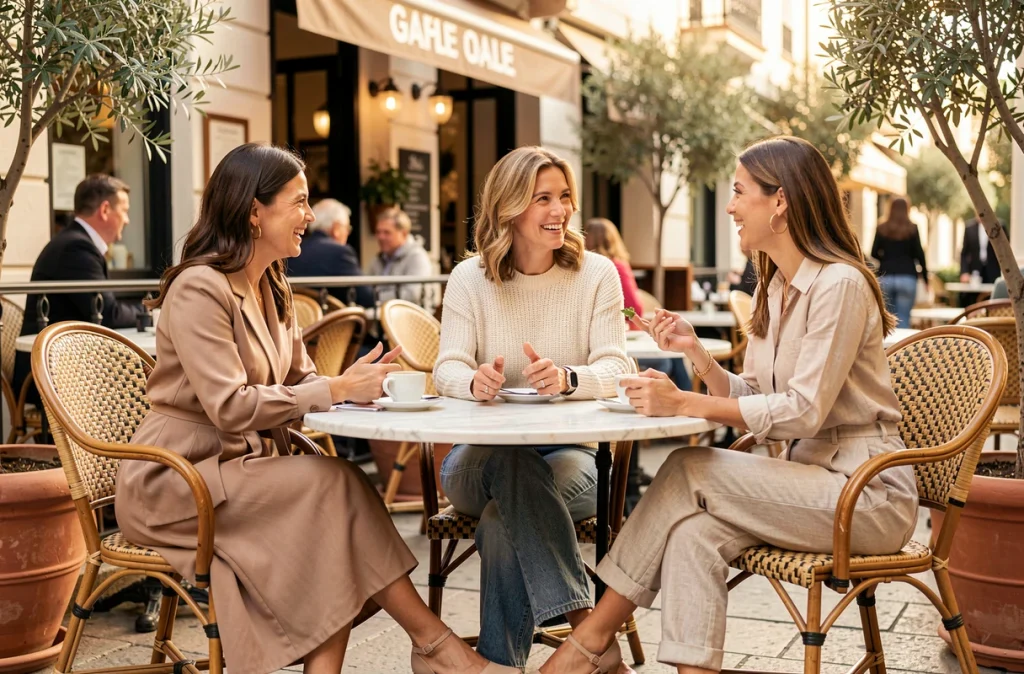
Current fashion is not just a list of seasonal trends. The European regulatory framework, with the ban on the destruction of unsold goods and the arrival of the textile digital passport, is changing the way clothing is produced, sold, and chosen. Every clothing purchase becomes a trade-off between style, durability, and traceability, and the tools to make this trade-off are arriving directly on the labels.