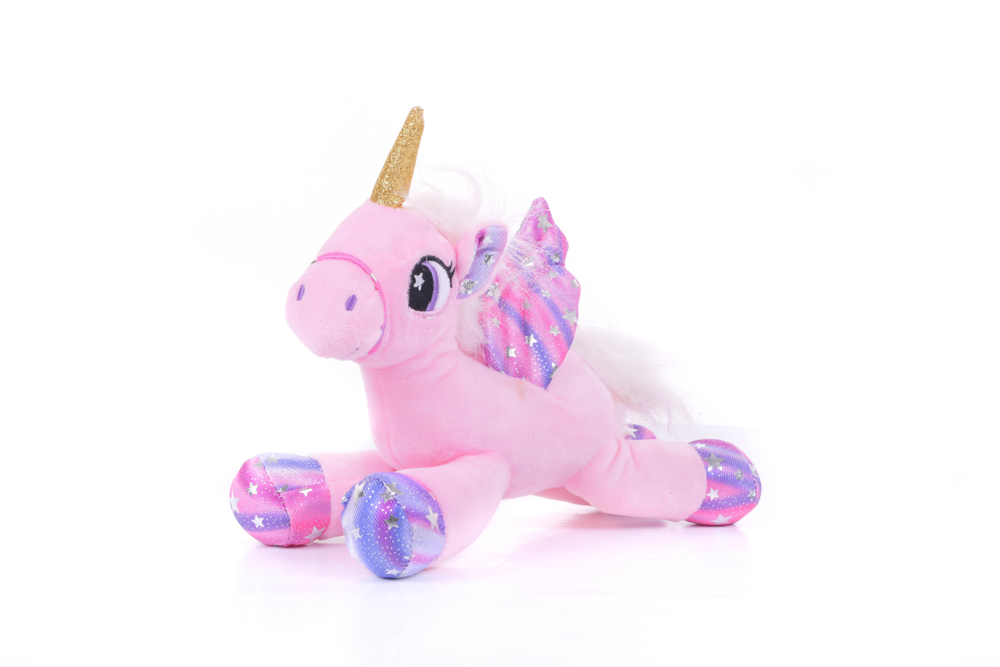
Stuffed animals are the favorite toys of children. When purchasing them, it is essential to pay attention to choosing the ideal piece. The child may reject it if you make random selections. Various criteria must be considered. Discover here the necessary information to guide you best.
Consider the model of the stuffed animal
Classic models like bears and elephants are timeless. However, it is advisable to choose unicorn stuffed animals. Why this choice? The unicorn is an imaginary animal. This concept will stimulate the child’s imagination with creative play. These are crucial for their mental and social development. The children’s toy market offers a wide selection of unicorn stuffed animals.
Age as a basic criterion
Stuffed animals are the ideal toys for a child. However, it is necessary to consider your little one’s age to choose models suited to their needs.
From 4 months, a baby begins to discover and see their surroundings. It is at this age that they start to grab and manipulate toys. In this sense, it is beneficial for you to enhance their development and flourishing with a stuffed animal. Choose one with bright and vivid colors. This will enrich their neural connections.
Between 2 and 5 years old, stuffed animals will be the child’s playmates. Moreover, they will serve as an emotional anchor. Once this age threshold is reached, do not hesitate to acquire larger or more substantial stuffed animal models.
Be well-informed about the materials of the stuffed animal
Choosing the material of the stuffed animal is the very first thing to do before diving in. Indeed, it is essential to avoid harmful products for the child’s safety. Therefore, the stuffed animal must meet the imposed standards. It is preferable to adapt it for toddlers under 36 months. For optimal safety, choose a model where all elements are embroidered. In some cases, a baby or child may be able to tear off and swallow parts.
In a bid to preserve the environment and the child’s skin, manufacturers emphasize natural, organic, and hypoallergenic materials. PP cotton is one of the safest components.
Look for the child’s vital needs
A young child is often in a good mood. However, this is not always the case. The stuffed animal should then remind them of that good mood and dream. The presence of a stuffed animal should bring them comfort. From a simple toy to a companion, the chosen model should evoke positive emotions in the child.
A stuffed animal can also teach a child the meaning of responsibility. Indeed, with the emotional attachment to these toys, it will be difficult for a child to see their adorable companion neglected. Since they are not yet able to clean it themselves, they can inform their parents if their stuffed animal needs to be cleaned. These behaviors are observed in children aged 4 to 5 years.