In August, Argentina is in the heart of its southern winter. For those planning a trip during this time, the question is less about “where to go” and more about “what seasonal contrast to seek.” Snow in the mountains of the Andes, dry and bright air in the Northwest, urban coolness in Buenos Aires: the country offers in one month atmospheres that most destinations spread over an entire year.
Snow and Andean resorts in August: what Patagonia doesn’t show
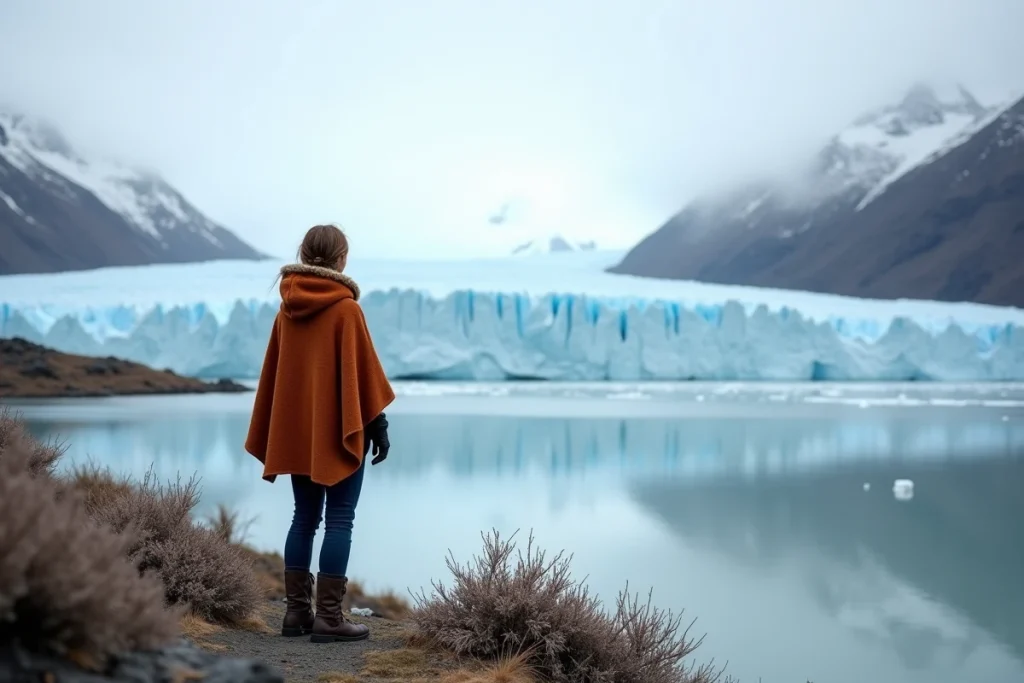
The Argentine winter is not limited to Patagonia and its glaciers. The central and northern Andes concentrate very different snow experiences, less publicized and often more accessible.
The official Visit Argentina website positions August as the month for snow outings and winter activities outside Patagonia. This includes ski resorts in the Mendoza region, snowshoeing around Bariloche, but also Andean villages where the snow completely changes the relationship with the landscape.
For skiing or simply walking in the snow without the crowds, reports vary on snow quality from year to year, but August remains statistically the most reliable month. Those who wish to travel to Argentina in August should consider including at least one Andean stop in their itinerary, if only to experience the shift between dry valleys and snowy peaks within a few hours of driving.
Northwest Argentina in winter: Salta, Jujuy, and Cafayate under a clear sky
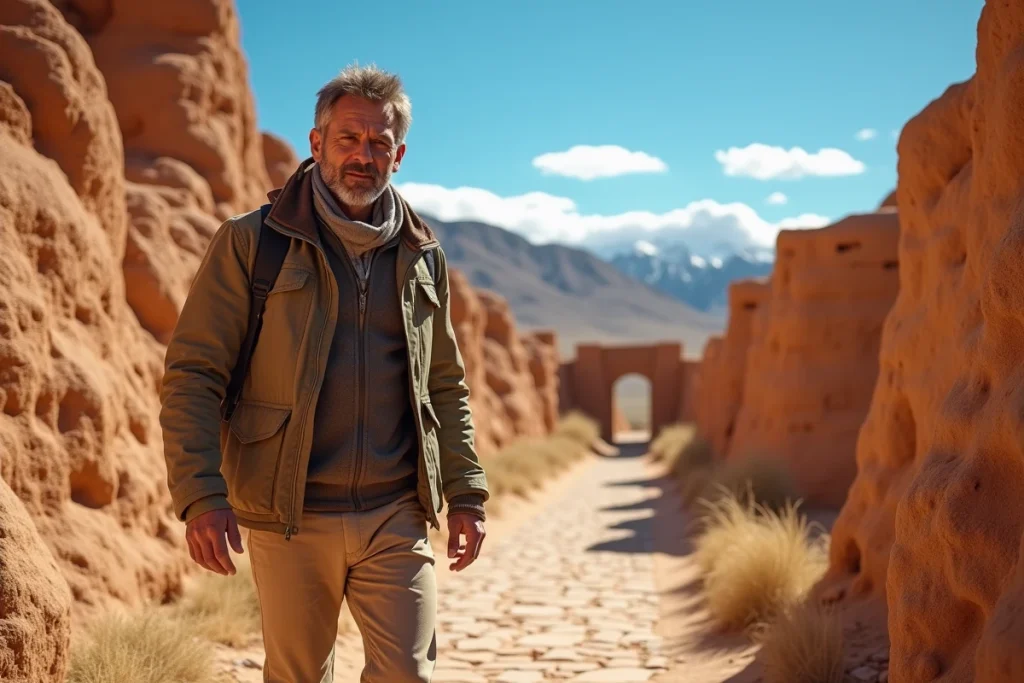
The Northwest is the great alternative in August. While Patagonia draws attention, the Salta and Jujuy region enjoys its dry winter. Little rain, pleasant daytime temperatures, and low sunlight that sculpts the rock formations of the Quebrada de Humahuaca.
The dry winter of the Northwest allows for hikes that are impossible in the wet season. The trails around Cafayate, amidst the high-altitude vineyards, are passable without the mud or stifling heat of summer. Access to Andean villages is unhindered by road closures caused by summer rains.
This is also where the Pachamama festival takes place in August, an Andean rite rooted in the agricultural calendar. It is not a tourist event set up for the occasion: local communities celebrate Mother Earth with offerings, music, and shared meals. Attending this festival provides a cultural depth that classic nature-centered tours do not offer.
- Salta offers a comfortable urban base with artisan markets and a distinct northern gastronomy from Buenos Aires (empanadas salteñas, locro in winter).
- Jujuy provides access to the Quebrada de Humahuaca (UNESCO heritage), the Salinas Grandes, and the villages of Purmamarca and Tilcara.
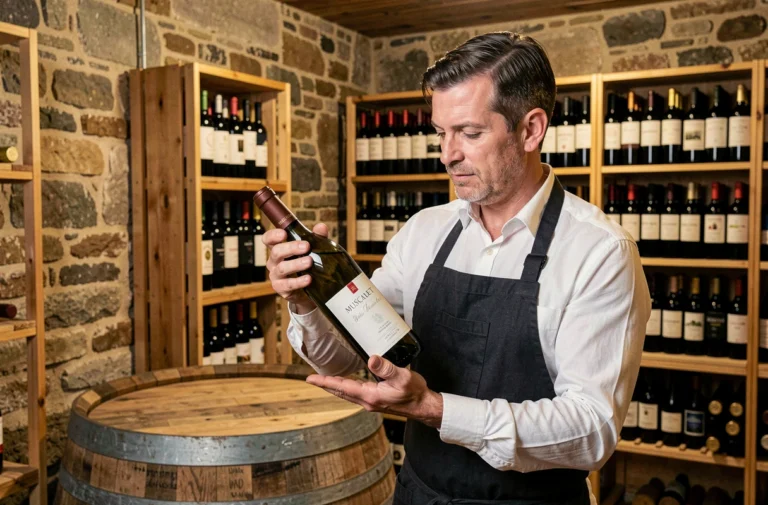
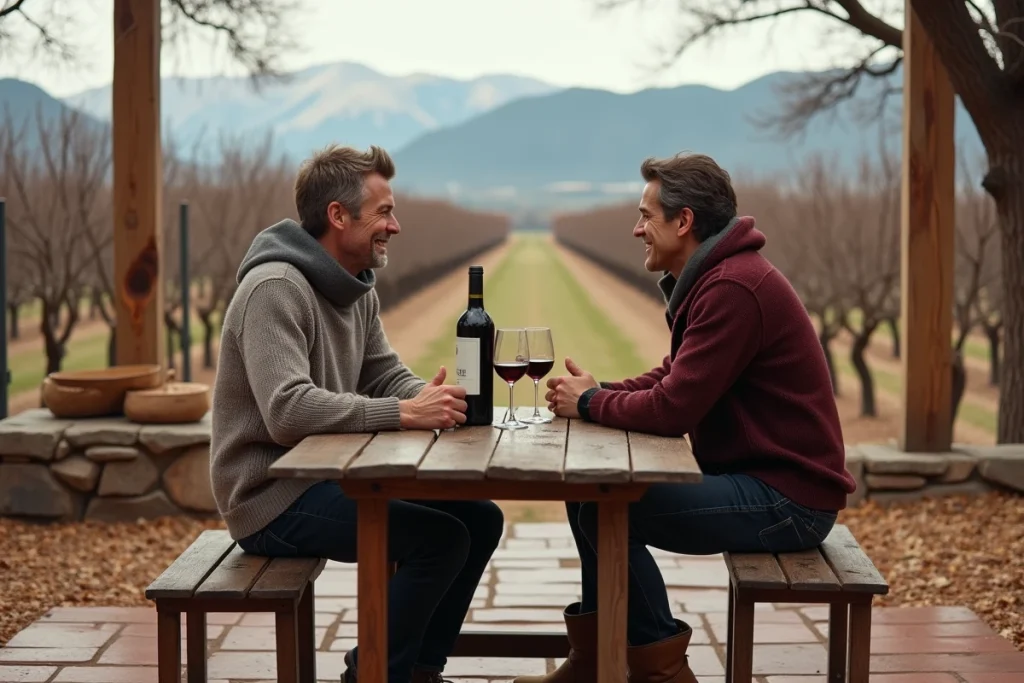
- Cafayate combines high-altitude vineyards, red gorges, and bodegas open year-round, with much lower visitor numbers in August than in high season.
Buenos Aires in August: the month of tango and urban culture
Buenos Aires is often underestimated as a winter destination. Temperatures hover around the coolness of a European autumn, far from the polar cold that some imagine. Porteños live outdoors, cafes remain lively, and the city takes on a more local, less touristy rhythm.
August hosts the World Tango Festival, an event that transforms the city for several days. Outdoor milongas, dance competitions, concerts in historic venues: the capital beats to the rhythm of the two-four. For those interested in Argentine culture beyond the landscapes, this festival alone justifies the choice of August.
The theater scene in Buenos Aires, one of the densest in Latin America, is in full swing during winter. Museums, bookstores in the San Telmo neighborhood, and performances at the Teatro Colón operate at full capacity. A recent seasonal guide even ranks August as the ideal month for urban culture in Buenos Aires.
Seasonal contrasts: building an itinerary that leverages Argentine winter
The classic mistake is to plan a trip to Argentina in August as one would in January, stacking the natural sites of the south. August imposes a different logic. The real asset of Argentina in winter is the juxtaposition of climates within the same time zone.
In two weeks, one can chain:
- Buenos Aires for the Tango Festival and cultural life (three to four days are enough to absorb the atmosphere without saturation).
- A flight to Salta to explore the Northwest at its best climatic moment, with the Quebrada, vineyards, and the Pachamama festival.
- A descent to Mendoza or Bariloche for a snow stop, skiing, or hiking at altitude depending on the desired level of physical engagement.
This type of itinerary exploits seasonal contrasts rather than enduring them. One does not travel to Argentina in August to see the same landscapes as in summer under different lighting. One travels to experience situations that summer does not allow: Andean snow, winter festivals, resting vineyards, northern villages without the crowds.
Wildlife observation remains possible in August, particularly in the Valdés Peninsula where southern right whales are present. It is not the peak of the season (which rather extends from September to November), but the first individuals arrive as early as July-August, and the region operates with fewer visitors.
Each region of the country tells a different season in August. The traveler who integrates this winter logic into their itinerary accesses experiences that summer circuits simply do not offer.