Between a Crémant de Loire and a sweet Vouvray, the parameters that separate a decent bottle from a memorable cuvée for a celebration are not always visible on the label. Grape variety, aging duration on lees, appellation, vintage: each variable modifies the profile of the Loire wine that will end up in your flutes or celebration glasses. Comparing these factual criteria allows for a selection based not solely on price or reputation.
Crémant de Loire vs. other crémants: aging on lees and celebration bubbles
For a festive sparkling wine, the finesse of the bubbles and the texture in the mouth directly depend on the time spent on lees after the secondary fermentation. The Crémant de Loire stands out here with a stricter specification than several other French crémants.
| Crémant | Minimum aging on lees | Leading grape variety |
|---|---|---|
| Crémant de Loire | 12 months | Chenin blanc |
| Several other French crémants | 9 months | Variable by region |
These additional three months translate into finer bubbles and a creamier texture. Chenin blanc, complemented in some cuvées by cabernet franc, chardonnay, or pinot noir, brings an aromatic complexity that is rarely found in short-aged sparkling wines.
For a celebration, this aging criterion serves as a measurable quality marker. Rather than relying solely on the term “crémant,” checking the aging duration on the back label or with the producer directs the choice towards truly high-end cuvées. Houses like the one featured on philippebredif.fr illustrate this careful aging work in Touraine, with wines designed for special occasions.
White grape varieties of Loire: chenin, sauvignon, and melon de Bourgogne in a festive context
The diversity of white grape varieties from the Loire offers very different profiles depending on the type of celebration and the planned menu. Three grape varieties dominate, each with a distinct aromatic range.
- The chenin blanc covers a wide spectrum, from dry mineral to complex sweet, with notes of apple, honey, and white flowers. It excels in Vouvray, Saumur, and Anjou, both in sparkling and still wines.
- The sauvignon blanc produces dry, lively wines marked by citrus and boxwood. Sancerre and Pouilly-Fumé are its preferred terroirs, supported by growing international recognition.
- The melon de Bourgogne defines Muscadet, saline and mineral, tailored for seafood platters and iodized starters of a festive meal.
In terms of export recognition, recent data shows that Loire wines are making progress in international markets, particularly whites and sparkling wines. This trend confirms that targeting appellations driven by exports increases the chances of encountering a cuvée recognized by professional tasters.
Adapting the grape variety to the meal timing
A Sancerre sauvignon opens an aperitif with clarity, without saturating the palate. Chenin takes over with richer starters or sauced fish. The melon de Bourgogne, more discreet, works well with oysters and shellfish without competing with marine flavors.
For a complete celebratory meal, the Loire allows covering the entire menu without changing wine regions, from crémant for the opening to sweet wine for dessert.
Vintage and cuvée selection: what recent conditions change for the choice
The vintage weighs heavily in the choice of an exceptional Loire wine. Recent climatic conditions, marked by episodes of intense heat and drought in the Centre-Val de Loire, have had two direct effects on production.
First, yields have decreased during the most affected harvests, making certain vintages rarer. Secondly, the selection of cuvées by the estates becomes more stringent: only the best plots qualify for “prestige” or “exception” cuvées.
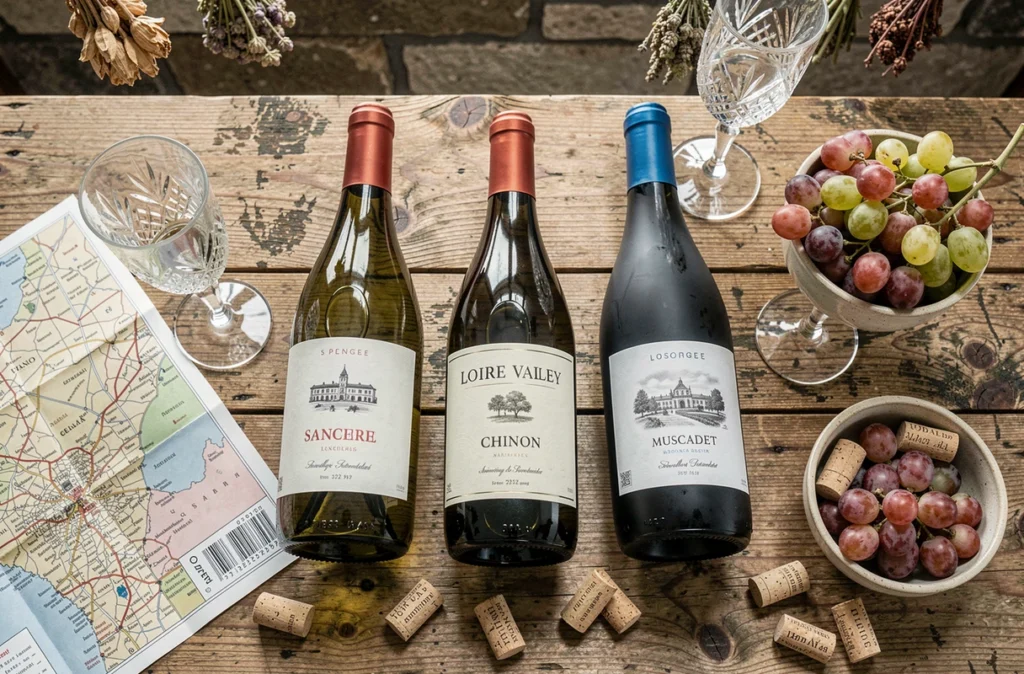
For a buyer, this means that a rare vintage associated with strict plot selection serves as a double indicator of quality. Estates that communicate their sorting criteria (yield per hectare, selection of bunches, choice of plots) offer more guarantees than a simple mention of “great cuvée” on the label.
Spotting clues on the label
Some concrete elements help distinguish an exceptional cuvée from a standard bottle within the same appellation:
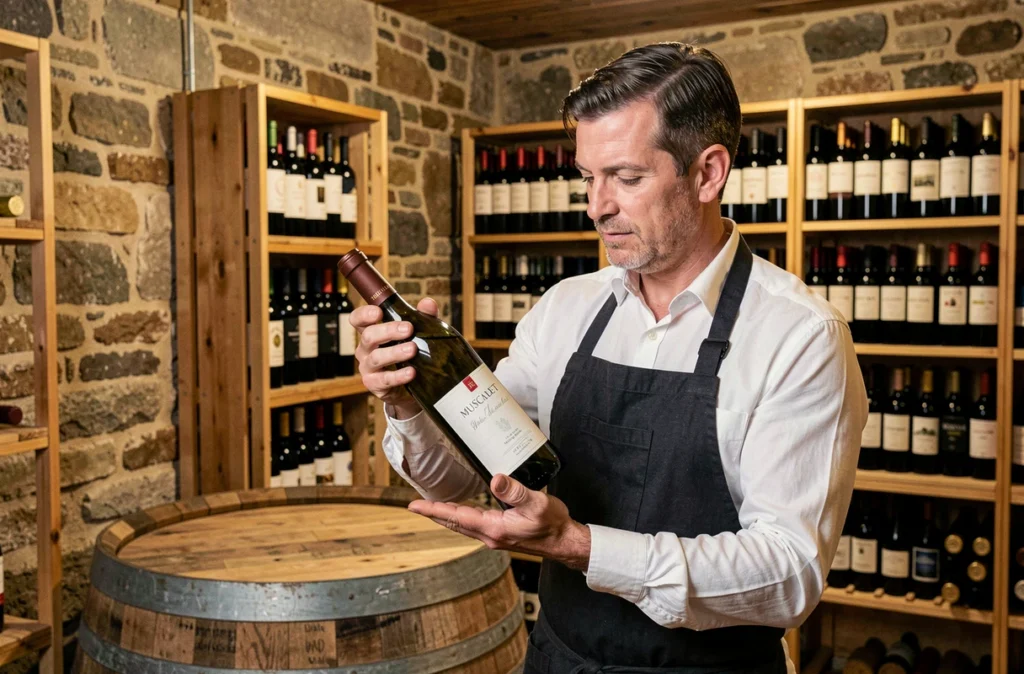
- The mention of a specific lieu-dit or identified plot, a sign of precise geographical selection.
- The indication of the vintage, to be cross-referenced with available information on the harvest conditions of the concerned year.
- The mentioned aging duration (on lees for sparkling wines, in barrel or tank for still wines), which often exceeds the regulatory minimums among demanding producers.
- The name of the estate and its history, as established houses in Touraine or Sancerre generally have better-exposed plots.
Red wines of Loire for celebrations: cabernet franc and meal profile
Celebrations are not limited to bubbles and whites. The Loire’s cabernet franc, dominant in Chinon and Saumur-Champigny, produces fresh and fruity reds that stray from the heavy tannins of southern wines.
This lighter profile suits festive meals where dishes follow one another: roasted poultry, white meats, and platters of aged cheeses. A Loire red served slightly chilled (around cellar temperature) maintains its liveliness without weighing down the progression of the meal.
In contrast, for red meats or game, Chinon cuvées aged longer gain in structure and depth. The choice between freshness and concentration depends on the main dish, not on a hierarchy of quality between the two styles.
The deciding factor at the time of purchase remains the coherence between the wine, the menu, and the format of the celebration. A Crémant de Loire aged twelve months on lees for the opening, a chenin or sauvignon white for the starters, a cabernet franc for the main dish: this progression covers almost all festive configurations with a single wine region, without compromising on the quality of the cuvées.