The spring-summer and pre-fall 2026 shows have set clear directions. Three axes structure the wardrobes this season: a return to technical materials repurposed from sportswear, a color palette refocused on browns and ecrus, and a rise in circular fashion that redefines the very notion of women’s fashion trends.
Technical materials and sportswear finishes in women’s wardrobes
The tailoring-sportswear mix is not new, but the 2026 season marks a shift: materials no longer merely evoke activewear; they take on its functional properties. We observe blazers cut from memory foam fabrics, midi skirts in lined mesh, and oversized shirts in treated water-repellent poplin.
Finishing now takes precedence over cut. A fluid pant gains in style with contrasting topstitching borrowed from trail jackets. A short trench in ripstop nylon replaces the classic gabardine without losing elegance. This technical shift explains why hybrid pieces dominate the seasonal selections.
To keep up with these evolutions and find pieces that suit your body type, the La Petite Emma fashion site offers a regularly updated catalog with filters by cut and material.
Three criteria distinguish a successful technical piece from a mere marketing gimmick:
- The fabric weight: a technical jersey that is too thin pills after two washes, while a sufficiently dense weight ensures durability over several seasons
- The quality of thermally bonded or welded seams, which replace classic topstitching on high-end pieces
- The partial rather than total lining, a sign of a construction designed for breathability and not just for aesthetics
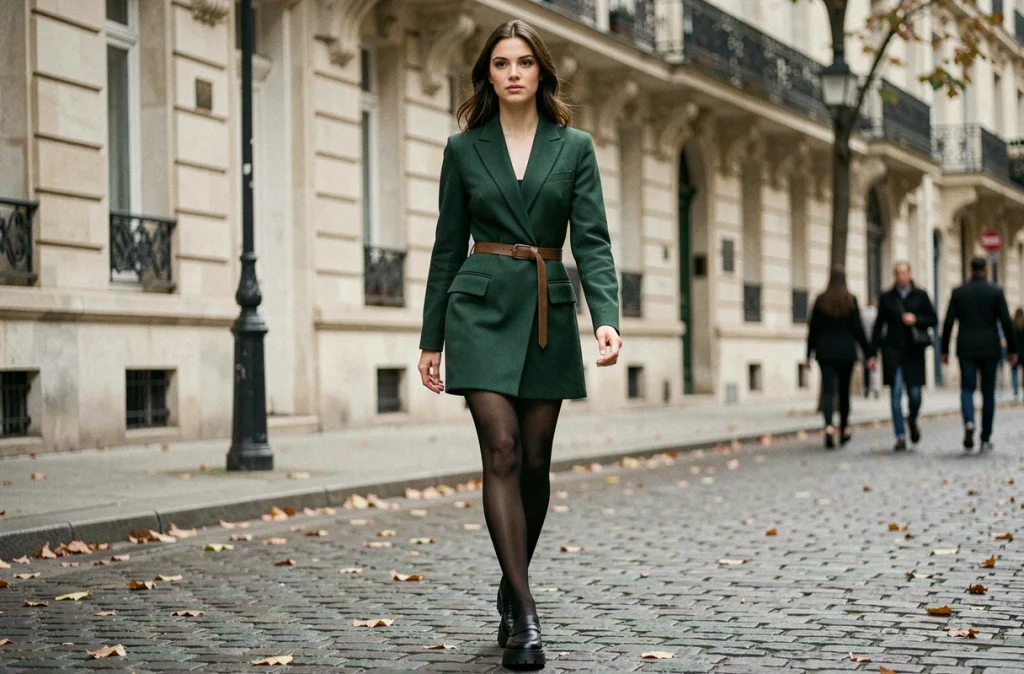
Autumn-winter 2026 color palette: brown, ecru, and khaki as new neutrals
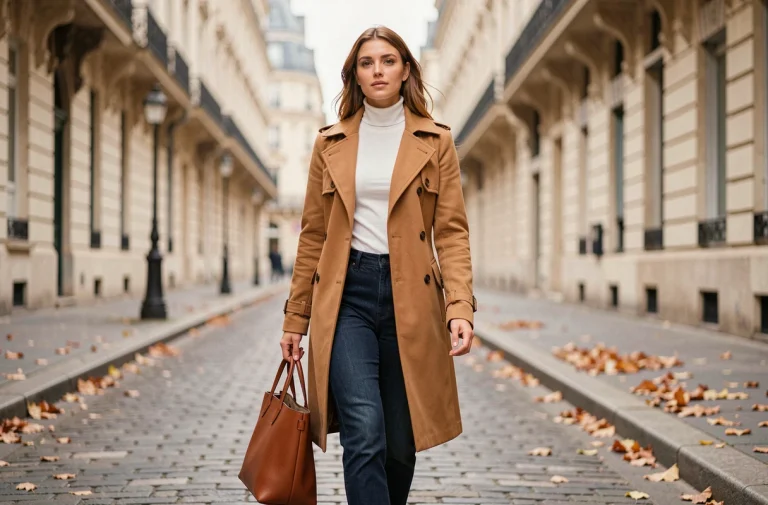
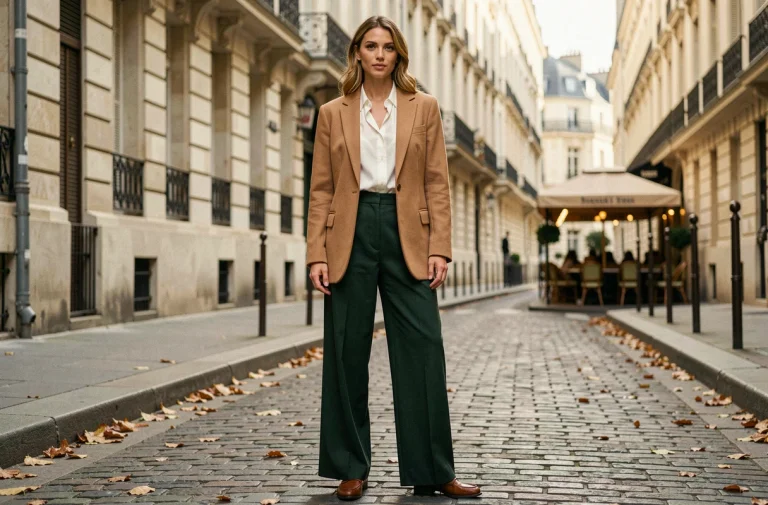
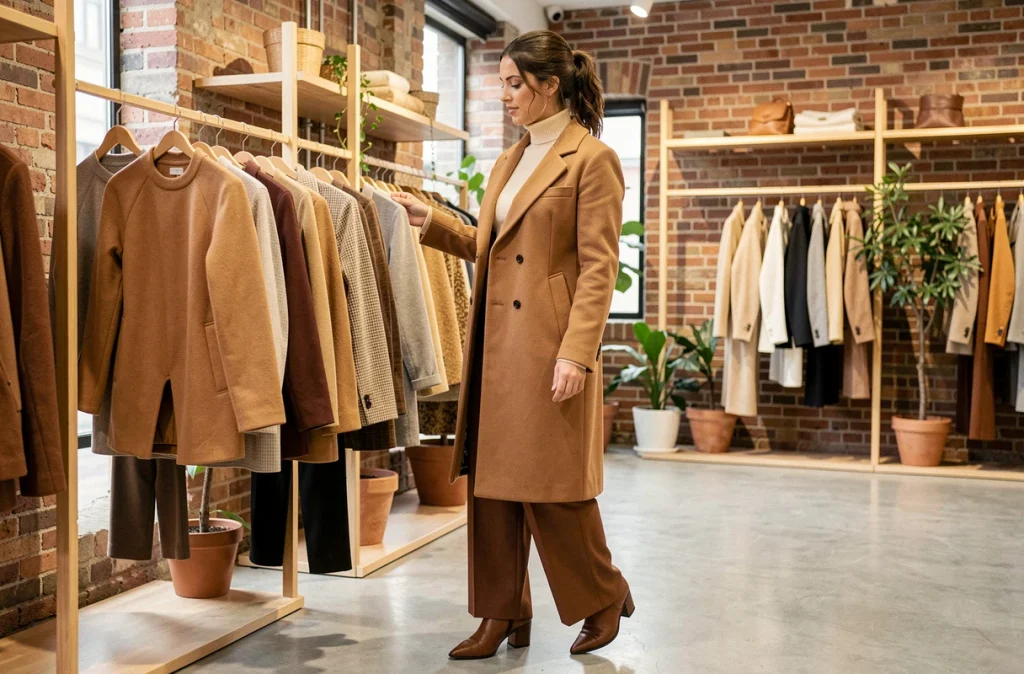
Brown emerges as a direct alternative to black. The autumn-winter 2026/27 collections confirm what the pre-collections announced: from intense chocolate to cappuccino, this chromatic range structures looks from office to weekend. Brown works in a total look, which distinguishes it from the usual seasonal shades.
Ecru, dubbed the star shade of the year by several houses, functions differently. It enhances natural materials (linen, unbleached cotton, raw merino wool) and brings a discreet luxury reading. Its pairing with brown creates a soft contrast that replaces the traditional black-white.
Khaki completes this trio by adding a utilitarian note. We recommend reserving it for structured pieces (cargo jacket, straight pants) rather than dresses or blouses, where it tends to flatten the silhouette.
Combining these shades without falling into dull monochrome
The key lies in the play of textures. An all-brown look works if the blazer is in boiled wool, the pants in plant-based leather, and the sweater in ribbed knit. The variation of materials replaces the variation of colors and avoids a uniform effect.
Circular fashion and second-hand: the trend redefining the wardrobe
Fashion trend articles list pieces to buy. The reality of purchasing behaviors tells a different story. Recent data shows that the majority of spending on sustainable fashion concerns second-hand, not new collections labeled “responsible.” In the UK, a report from the ICEX agency indicates that nearly 93% of consumers’ sustainable fashion spending has been devoted to second-hand clothing.
This figure reflects a fundamental change: for customers, being sustainable first means extending the life of existing garments rather than buying new green-labeled items. Resale platforms are no longer a parallel circuit; they are becoming the first purchasing reflex for certain categories (jeans, leather jackets, designer dresses).
Resale and repair: growth two to three times faster than new
Strategic reports on the textile industry predict that circular fashion (resale, rental, repair) will grow two to three times faster than the new market between 2025 and 2027. The global circular fashion market is expected to reach $393 billion by 2030, with growth about twice as fast as the rest of the textile industry.
This dynamic has concrete consequences for seasonal trends:
- High resale value pieces (structured blazers, raw straight jeans, classic trench coats) gain desirability because they retain their value in the secondary market
- Noble materials (leather, wool, silk) surpass synthetics in attractiveness, their physical durability ensuring a credible second life
- Timeless cuts take precedence over sharply defined silhouettes of a season, which quickly lose their perceived value
Women’s fashion pieces to prioritize this season: category guide
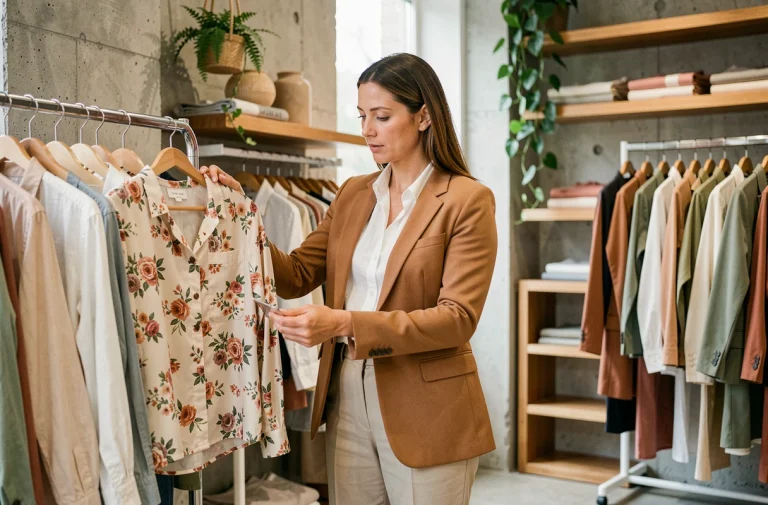
The blazer remains the key piece of the wardrobe. This season, we recommend slightly oversized versions with natural shoulders, in technical fabric or blended wool. The brown or ecru double-breasted blazer replaces the classic black in most professional contexts.
On the bottom, raw straight jeans and fluid pants with pronounced pleats dominate. The barrel jeans, very present in spring-summer, are starting to decline in favor of sharper cuts. Wide linen or heavy viscose pants offer a summer alternative to jeans without sacrificing structure.
For dresses, the midi cut with detailed sleeves (ruffled, pleated, slightly puffed) is the most versatile model. Floral prints give way to fine stripes and discreet checks, consistent with the British tailoring inspiration that runs through the season.
The shirt dress in ecru poplin or lightweight chambray establishes itself as a transitional basic between seasons. Its high resale value also makes it a sensible investment for circular fashion enthusiasts, closing the loop that runs through all fashion trends this season.